We Use CookiesWe use cookies to enhance the security, performance, functionality and for analytical and promotional activities. By continuing to browse this site you are agreeing to our privacy policy

1 Best Quiet Air Conditioners

From leading brands and best sellers available on the web.
By clicking on a link to a third party's website, log data is shared with that third party.

45,000 reviews analyzed

#1
Best Choice
LEENON 140
LEENON

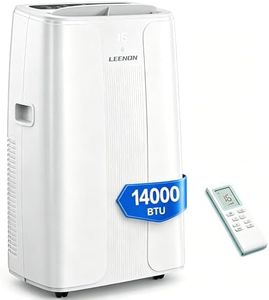
LEENON 14000 BTU Air Conditioning Unit, Portable Air Conditioner, Powerful 4-in-1 AC Unit Dehumidifier Fan & Sleep Mode, Aircon Unit with 24H Timer,Auto-Swing, Remote Control, Exhaust Hose
Fast Delivery
10.0
1 417 bought in past month
Shipping from Amazon's UK regional warehouses
Explore other best-rated products in this category

Our Top Picks

#1

Winner

LEENON 14000 BTU Air Conditioning Unit, Portable Air Conditioner, Powerful 4-in-1 AC Unit Dehumidifier Fan & Sleep Mode, Aircon Unit with 24H Timer,Auto-Swing, Remote Control, Exhaust Hose

LEENON 14000 BTU Air Conditioning Unit, Portable Air Conditioner, Powerful 4-in-1 AC Unit Dehumidifier Fan & Sleep Mode, Aircon Unit with 24H Timer,Auto-Swing, Remote Control, Exhaust HoseLEENON
amazon-logoView Product

The LEENON 14000 BTU portable air conditioner is a solid choice for cooling rooms up to around 35 square metres, making it suitable for most living rooms, kitchens, or offices in the UK. Its cooling power is strong enough to quickly bring down temperatures, thanks to advanced compressor technology. The unit offers multiple functions—cooling, dehumidifying, fan, and sleep mode—which adds flexibility depending on your needs. With three fan speeds and an auto-swing feature, it helps spread cool air evenly.

In terms of noise, it operates at about 65 dB, which is moderate but might be noticeable in very quiet rooms, especially during high-speed fan use. Sleep mode reduces noise for a more peaceful night, though it's not among the quietest available. The energy efficiency rating is class A with a SEER of 2.6; this means it is reasonably efficient but not top-tier, so electricity costs should be considered if you plan heavy usage.

Its portable design includes smooth-rolling casters and an easy installation kit that fits most windows without drilling, making it convenient to move between rooms or set up without hassle. The unit uses eco-friendly R290 refrigerant and features smart auto-evaporation to minimise manual drainage, which is a plus for maintenance. One downside is that it is relatively heavy at 28 kg, so while portable, it might require some effort to move. It also lacks inverter technology, which could limit energy savings and quieter operation found in more advanced models. This product is a versatile and powerful portable air conditioner best suited for users who want quick cooling and added features like dehumidifying but can accept moderate noise levels and average energy efficiency.

View Product

Buying Guide for the Best Quiet Air Conditioners

When choosing a quiet air conditioner, it's important to consider not only the noise level but also the overall performance and features that will best suit your living space and lifestyle. A quiet air conditioner can significantly enhance your comfort by providing a peaceful environment, especially if you plan to use it in a bedroom or a home office. To make an informed decision, you should understand the key specifications that affect both the noise level and the efficiency of the air conditioner.
Noise Level (dB)The noise level of an air conditioner is measured in decibels (dB). This specification is crucial if you want a quiet environment, as it indicates how loud the unit will be when operating. Generally, air conditioners with a noise level below 50 dB are considered quiet. For comparison, a normal conversation is about 60 dB. If you are sensitive to noise or plan to use the air conditioner in a bedroom, look for models with lower dB ratings. Consider your tolerance for noise and the placement of the unit when deciding on the acceptable noise level.
Cooling Capacity (BTU)Cooling capacity is measured in British Thermal Units (BTU) and indicates how much heat the air conditioner can remove from a room per hour. This is important because it determines how effectively the unit can cool your space. Air conditioners with higher BTU ratings can cool larger areas. To choose the right BTU, consider the size of the room you want to cool. For small rooms, a unit with 5,000 to 8,000 BTU may suffice, while larger spaces may require 10,000 BTU or more. Ensure the BTU rating matches your room size for optimal efficiency and comfort.
Energy Efficiency Ratio (EER)The Energy Efficiency Ratio (EER) measures the efficiency of an air conditioner by comparing the cooling output (in BTU) to the power input (in watts). A higher EER indicates a more energy-efficient unit, which is important for reducing electricity bills and environmental impact. EER ratings typically range from 8 to 12. If energy efficiency is a priority for you, look for models with higher EER ratings. Consider how often you will use the air conditioner and the potential savings on energy costs when selecting the EER.
Fan SpeedsFan speeds refer to the different settings that control the airflow and cooling intensity of the air conditioner. This feature is important because it allows you to adjust the cooling to your comfort level and can also affect the noise level. More fan speed options provide greater flexibility in managing both cooling and noise. If you prefer customizable comfort, look for units with multiple fan speed settings. Consider how much control you want over the cooling process and how it might impact the noise level when choosing fan speeds.
Installation TypeThe installation type of an air conditioner can be window-mounted, portable, or split-system. This specification is important because it affects the ease of installation, mobility, and space requirements. Window units are typically more permanent and require a suitable window, while portable units offer flexibility and can be moved between rooms. Split systems are more complex to install but offer quiet operation and efficient cooling. Consider your living situation, available space, and whether you need a permanent or flexible solution when choosing the installation type.